That persistent tingling, burning, or "pins and needles" sensation in your hands and feet is one of the most common neurological complaints seen by primary care physicians — and one of the most misunderstood. For some people, it's a temporary nuisance that passes in minutes. For others, it's a chronic, debilitating condition that disrupts sleep, limits mobility, and significantly affects quality of life.
If you're reading this, you've likely experienced this sensation repeatedly — or it's simply never gone away. This guide covers everything you need to know: the science behind why it happens, the most common causes, when to seek medical attention, and the natural approaches that have shown the most promise for long-term relief.
📊 By the numbers: Peripheral neuropathy — the medical term for nerve damage causing tingling and numbness — affects over 20 million Americans. Worldwide, it impacts approximately 2–3% of the general population, rising to 8% in those over age 55, and a staggering 60–70% in people with long-standing diabetes.
What Is the Tingling Sensation, Exactly?

The medical term for the tingling, prickling, or "pins and needles" sensation is paresthesia. It occurs when peripheral nerves — the vast network of nerves that connects your brain and spinal cord to the rest of your body — are compressed, irritated, or damaged, causing them to send abnormal electrical signals.
Think of it like a faulty electrical wire: when the insulation (myelin sheath) surrounding a nerve is damaged, signals begin to leak or misfire. These misfiring signals reach the brain as tingling, burning, numbness, or sharp pain — even when there's no actual physical stimulus causing the sensation.
There are two main types of paresthesia. Temporary paresthesia occurs when you sit in one position for too long or cross your legs, compressing a nerve. The sensation passes within a minute or two once pressure is relieved. Chronic paresthesia is persistent and indicates ongoing nerve damage or irritation — this is the type associated with peripheral neuropathy and requires medical attention.
Common Symptoms of Peripheral Neuropathy
Peripheral neuropathy presents differently depending on which nerves are affected, the underlying cause, and how advanced the nerve damage is. The most commonly reported symptoms include:
Tingling & "Pins and Needles"
The most universally reported symptom. Often described as a mild electric current running through the hands or feet. May be constant or come and go throughout the day.
Burning Pain
A deep, persistent burning sensation in the soles of the feet or palms. Often worsens at night when there are fewer distractions, significantly disrupting sleep quality.
Numbness & Loss of Sensation
A progressive loss of feeling in the hands and feet, beginning at the toes and fingertips and gradually moving upward. Can reduce awareness of temperature and pain.
Muscle Weakness
When motor nerves are affected, muscles may become weak or difficult to control. Common signs include difficulty gripping objects, stumbling, or foot drop.
Cold Hands & Feet
Poor nerve function impairs the regulation of blood vessel dilation, leading to consistently cold extremities even in warm environments — a sign of compromised circulation.
Balance Problems
Peripheral nerves provide essential proprioceptive feedback — your sense of where your body is in space. Nerve damage impairs this, causing unsteadiness and fall risk.
⚠️ When to see a doctor immediately: If tingling is accompanied by sudden weakness, difficulty breathing, loss of bladder or bowel control, or follows a head/neck injury, seek emergency medical care. These may indicate a serious neurological emergency rather than peripheral neuropathy.
9 Most Common Causes of Tingling in Hands and Feet
Understanding the underlying cause of your neuropathy is essential for choosing the right treatment approach. Here are the most common culprits:
Diabetes — The #1 Cause
Diabetic peripheral neuropathy affects an estimated 60–70% of people with long-standing diabetes. Chronically elevated blood sugar damages the small blood vessels that nourish peripheral nerves, and also triggers oxidative stress and inflammation that accelerates nerve degeneration. It typically begins in the feet and moves upward in a "stocking and glove" pattern. Even well-managed diabetes carries neuropathy risk over time.
Vitamin B12 Deficiency
Vitamin B12 is essential for the formation and maintenance of the myelin sheath — the protective coating around nerve fibers. Without adequate B12, this sheath degrades, causing misfiring nerve signals. B12 deficiency is extremely common in older adults, vegetarians, vegans, and those taking metformin or proton pump inhibitors (common acid reflux medications). A simple blood test can confirm deficiency.
Poor Circulation
Peripheral nerves require a constant supply of oxygen and nutrients delivered through the bloodstream. Conditions that impair circulation — including peripheral artery disease, atherosclerosis, and heart failure — can starve nerves of what they need to function and self-repair, leading to the characteristic tingling and numbness of neuropathy.
Nerve Compression
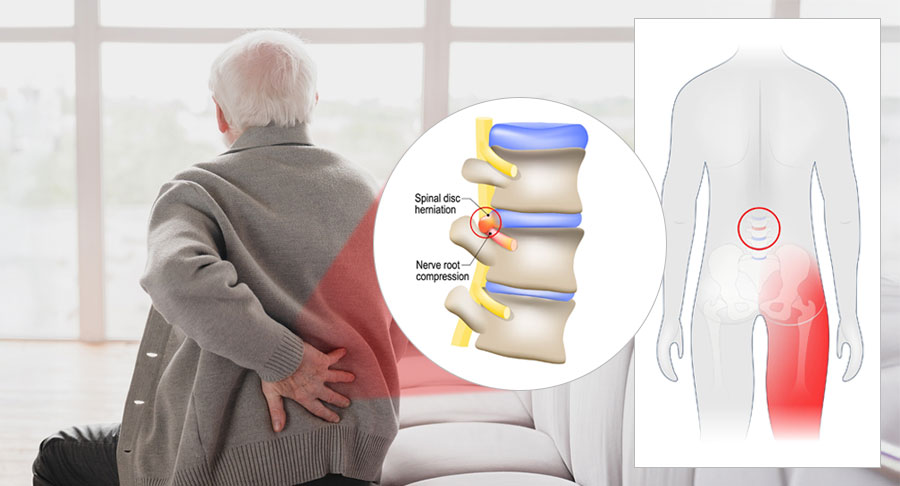
Physical compression of a nerve — from a herniated disc pressing on the sciatic nerve, carpal tunnel syndrome compressing the median nerve at the wrist, or cervical stenosis in the neck — can cause localized tingling in specific nerve distribution patterns. Unlike metabolic neuropathy, compression-related tingling is often position-dependent and may worsen with certain movements.
Chemotherapy-Induced Neuropathy
Many chemotherapy agents — particularly platinum-based drugs (cisplatin, oxaliplatin), taxanes (paclitaxel), and vincristine — are toxic to peripheral nerve cells. Chemotherapy-induced peripheral neuropathy (CIPN) affects up to 30–40% of cancer patients receiving these treatments and can persist for months or years after treatment ends.
Autoimmune Diseases
Conditions like lupus, rheumatoid arthritis, Sjögren's syndrome, and Guillain-Barré syndrome can cause the immune system to attack peripheral nerve tissue. Autoimmune neuropathy often requires immunosuppressive treatment in addition to nerve-supportive therapies.
Alcohol Abuse
Chronic excessive alcohol consumption damages peripheral nerves through two mechanisms: direct toxic effects of alcohol on nerve tissue, and secondary B-vitamin deficiencies caused by alcohol's interference with nutrient absorption. Alcoholic neuropathy typically affects the legs more than the arms and is often accompanied by pain sensitivity.
Thyroid Disorders
Hypothyroidism (underactive thyroid) is a commonly overlooked cause of peripheral neuropathy. When thyroid hormones are low, they can cause fluid retention that puts pressure on peripheral nerves, and impair the metabolic processes that keep nerve cells healthy. Up to 40% of people with untreated hypothyroidism develop neuropathy.
Aging
The normal aging process brings progressive changes to peripheral nerve structure and function. After age 60, there is measurable decline in nerve conduction velocity, myelin sheath integrity, and the density of nerve fibers in the skin. This age-related neuropathy is a contributing factor in balance problems and fall risk among the elderly, even in the absence of other medical conditions.
How Is Peripheral Neuropathy Diagnosed?
If you're experiencing persistent tingling, numbness, or burning sensations in your hands and feet, a proper diagnosis is essential. Your doctor will typically use a combination of:
- Physical and neurological examination — testing reflexes, muscle strength, coordination, and sensation with specialized tools
- Blood tests — checking blood glucose, HbA1c (diabetes marker), B12 and folate levels, thyroid function, kidney function, and inflammatory markers
- Nerve conduction study (NCS) — measures the speed and strength of electrical signals traveling through peripheral nerves
- Electromyography (EMG) — evaluates the health of muscles and the nerve cells that control them
- Skin punch biopsy — small sample of skin taken to count nerve fiber density (useful for small fiber neuropathy)
- MRI or CT scan — if nerve compression from a disc or structural problem is suspected
Conventional Treatments and Their Limitations
Standard medical treatment for peripheral neuropathy focuses primarily on pain management rather than addressing underlying nerve damage. The most commonly prescribed medications include:
- Anticonvulsants (gabapentin, pregabalin) — reduce nerve signal misfiring but cause significant side effects including drowsiness, dizziness, weight gain, and cognitive impairment
- Tricyclic antidepressants (amitriptyline) — can modulate pain perception but cause dry mouth, constipation, blurred vision, and cardiac risks
- SNRIs (duloxetine) — modest pain relief but associated with nausea, insomnia, and sexual dysfunction
- Topical capsaicin or lidocaine — localized pain relief for some patients
- Opioids — generally avoided due to addiction risk and limited long-term effectiveness for neuropathic pain
💡 An important distinction: Most prescription medications for neuropathy only manage the symptom of pain — they do not address the underlying nerve damage. This is why many patients and physicians are increasingly interested in nutritional supplements that target the root causes of nerve degeneration: oxidative stress, inflammation, poor circulation, and mitochondrial dysfunction.
Natural Approaches: What the Science Says
A growing body of research supports the use of specific nutritional compounds to address the biological mechanisms driving peripheral neuropathy. These are the ingredients with the strongest clinical evidence:
Alpha-Lipoic Acid (ALA)
Alpha-Lipoic Acid is the most extensively researched natural compound for peripheral neuropathy, particularly the diabetic form. It is both fat and water-soluble, allowing it to penetrate nerve cells directly. Multiple randomized controlled trials — including the landmark SYDNEY and SYDNEY 2 trials — demonstrated statistically significant improvements in neuropathy symptoms with ALA supplementation. It works by neutralizing free radicals that damage nerve cells and by regenerating other antioxidants. Doses used in clinical trials typically range from 600–1200mg daily.
B-Vitamins — Especially B12, B6, and B1
The B-vitamins are collectively essential for nerve health. B12 (cobalamin) is required for myelin synthesis — without it, the protective sheath around nerve fibers degrades. B1 (thiamine) is critical for nerve impulse conduction and glucose metabolism in nerve cells. B6 (pyridoxine) supports neurotransmitter synthesis, though very high doses (over 100mg/day) can paradoxically cause neuropathy. For deficiency-related neuropathy, B-vitamin supplementation is one of the most effective and best-evidenced interventions available.
Magnesium
Magnesium plays a critical role in regulating nerve excitability by blocking NMDA receptors — channels that, when overactivated, cause the "wind-up" phenomenon associated with chronic neuropathic pain. Studies show that magnesium supplementation can meaningfully reduce pain scores in patients with diabetic and chemotherapy-induced neuropathy. Magnesium glycinate is the most bioavailable form, with better absorption and fewer gastrointestinal side effects than cheaper forms like magnesium oxide.
Acetyl-L-Carnitine
Clinical trials of Acetyl-L-Carnitine in patients with diabetic and chemotherapy-induced neuropathy have shown reductions in pain scores and improvements in nerve conduction velocity. It works by supporting mitochondrial energy production in nerve cells and stimulating nerve growth factor (NGF) — a protein essential for nerve fiber regeneration. This makes it one of the few compounds with evidence for actual nerve repair, not just symptom masking.
Looking for the Best Nerve Supplement?
Alphacur combines Alpha-Lipoic Acid, Magnesium, L-Carnitine, CoQ10, Turmeric, and Butcher's Broom — all in one daily formula. It's our #1 rated neuropathy supplement for 2025.
Try Alphacur Risk-Free →Best Supplements for Neuropathy in 2025 — Quick Comparison
Based on our research into ingredient quality, clinical evidence, manufacturing standards, and real user outcomes, here are our top-rated neuropathy supplements:
| Product | Rating | ALA | Made USA | Guarantee | Action | |
|---|---|---|---|---|---|---|
 |
🥇 Alphacur | ★★★★★ 4.9 | ✓ | ✓ | 60 Days | Get It → |
 |
🥈 Nerve Alive | ★★★★★ 4.7 | ✓ | ✓ | 60 Days | Get It → |
 |
🥉 Nerve Fresh | ★★★★☆ 4.5 | ✓ | ✓ | 180 Days | Get It → |
 |
4. NervoVive | ★★★★☆ 4.3 | ✓ | ✓ | 30 Days | Get It → |
 |
5. Sciaticyl | ★★★★☆ 4.2 | — | ✓ | 60 Days | Get It → |
Lifestyle Changes That Support Nerve Health
Supplements work best as part of a broader approach to nerve health. These lifestyle modifications have strong evidence behind them:
- Blood sugar control — for diabetics, tight glycemic control is the single most effective way to slow neuropathy progression. Every 1% reduction in HbA1c significantly reduces neuropathy risk
- Regular low-impact exercise — walking, swimming, and cycling improve circulation to peripheral nerves and have been shown to preserve nerve fiber density in the skin
- Alcohol reduction or elimination — alcohol is directly neurotoxic; even moderate reduction can meaningfully improve alcoholic neuropathy symptoms
- Foot care — daily inspection of feet is critical for diabetics, since numbness masks injury. Proper footwear reduces pressure points that can lead to wounds
- Smoking cessation — smoking impairs circulation and accelerates the vascular damage that starves peripheral nerves of oxygen
- B12 monitoring — especially for vegetarians, vegans, older adults, and metformin users; regular blood tests can catch deficiency before it causes nerve damage
Frequently Asked Questions
Can neuropathy be reversed?
This depends largely on the underlying cause and how long the nerve damage has been present. When neuropathy is caught early and the root cause is addressed — such as correcting B12 deficiency, achieving blood sugar control, or removing a compressing structure — nerves have a remarkable capacity for self-repair. Peripheral nerves can regenerate at a rate of approximately 1mm per day under the right conditions. For longstanding neuropathy, full reversal is less likely, but meaningful symptom improvement is achievable for most patients.
How long does it take for tingling to go away with treatment?
Timeline varies significantly by cause and treatment approach. B12 deficiency-related tingling often begins improving within 4–8 weeks of supplementation. Diabetic neuropathy improvements with Alpha-Lipoic Acid were observed in clinical trials within 3–5 weeks. General lifestyle improvements typically show results over 2–3 months. Managing expectations is important: improvement is usually gradual, and most cases require sustained, consistent treatment over many months.
Is tingling in hands and feet always serious?
Not always. Temporary tingling from positional nerve compression is extremely common and benign. However, persistent tingling that occurs regularly, doesn't resolve on its own, or is accompanied by pain, numbness, or weakness should always be evaluated by a physician. Even if the cause turns out to be relatively benign — such as B12 deficiency — early identification and treatment prevents further nerve damage.
What's the difference between sciatica and peripheral neuropathy?
Sciatica is a specific type of nerve pain caused by compression or irritation of the sciatic nerve — the largest nerve in the body, running from the lower spine through the buttocks and down each leg. It typically causes one-sided sharp, shooting pain that radiates from the lower back into the leg and foot. Peripheral neuropathy, by contrast, is a broader category of nerve damage affecting the peripheral nervous system, typically presenting symmetrically in both hands and feet in a "stocking and glove" distribution. Treatments differ accordingly.
Start Your Recovery Today
Alphacur is our top recommendation for anyone dealing with tingling, numbness, or nerve pain. Multi-ingredient formula. 60-day guarantee. Made in USA.
See Alphacur Official Website →Medical Disclaimer & Affiliate Disclosure: This article is for educational and informational purposes only and does not constitute medical advice, diagnosis, or treatment recommendations. Always consult a qualified healthcare professional before starting any supplement regimen, especially if you have a medical condition or take prescription medications. NeuropathyReliefHub participates in affiliate marketing programs and may earn commissions on qualifying purchases made through links on this page, at no additional cost to you. This does not influence our editorial content. Individual results vary. These statements have not been evaluated by the Food and Drug Administration.